This long essay is published in The Asia Pacific Journal | Japan Focus (Cambridge Core/Open Access)
Artist Tetsu Takeda left Japan for America in 1986 and returned to Japan in 2011. Shortly after the Fukushima nuclear disaster, Takeda started identifying himself as a “professional artist” and only doing “high art” by rethinking life and our role as human beings interfering with nature. What makes Takeda distinct from those “big names”, such as Yayoi Kusama, Takashi Murakami, Yoritomo Nara, Yoko Ono, Hiroshi Sugimoto, and Chiharu Shiota, is his everyday mudane routine. He is an eccentric collector of ocean rubbish flushed ashore by waves. In his tiny home studio, he creates various big-eyed rubbish creatures in diverse forms, shapes, dimensions, and colours in his unorthodox and even childish way reminiscent of Victor Frankenstein in this lab. Doing new artistic endeavors is a ritual of giving life — to “vitalize” rubbish — and inhabiting a reformulated secrect society of nature, whether privately (in his home) or publicly (in galleries).
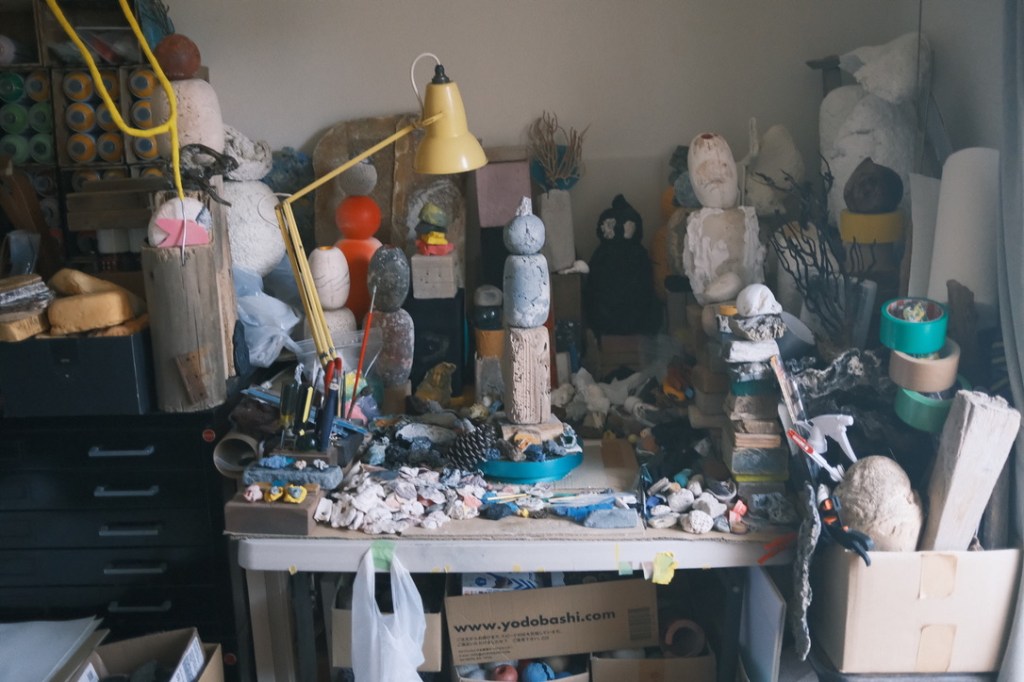
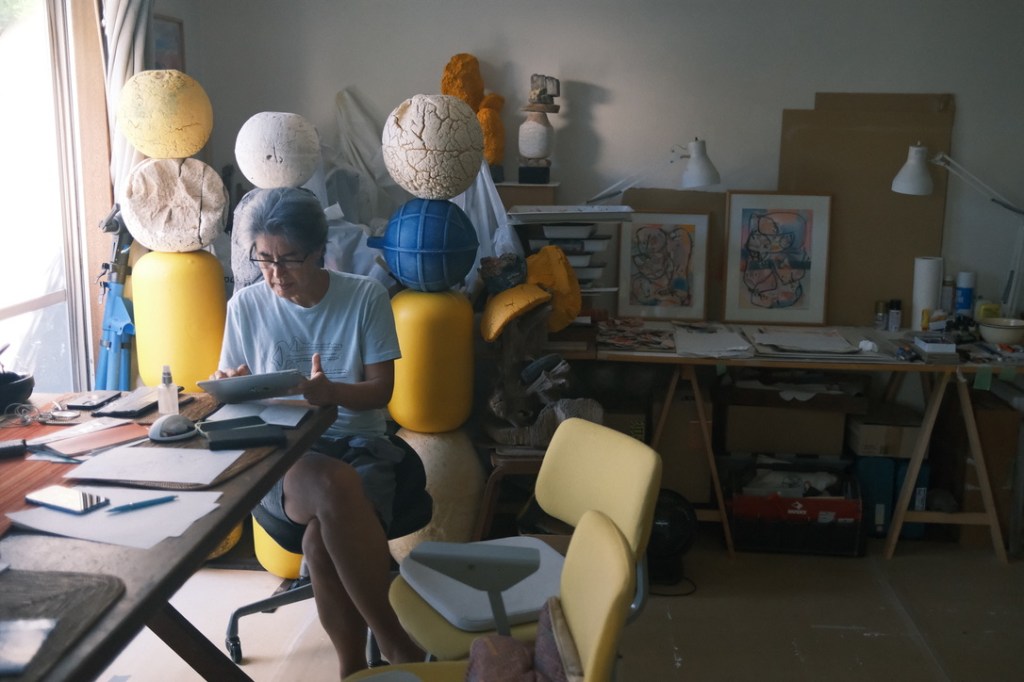
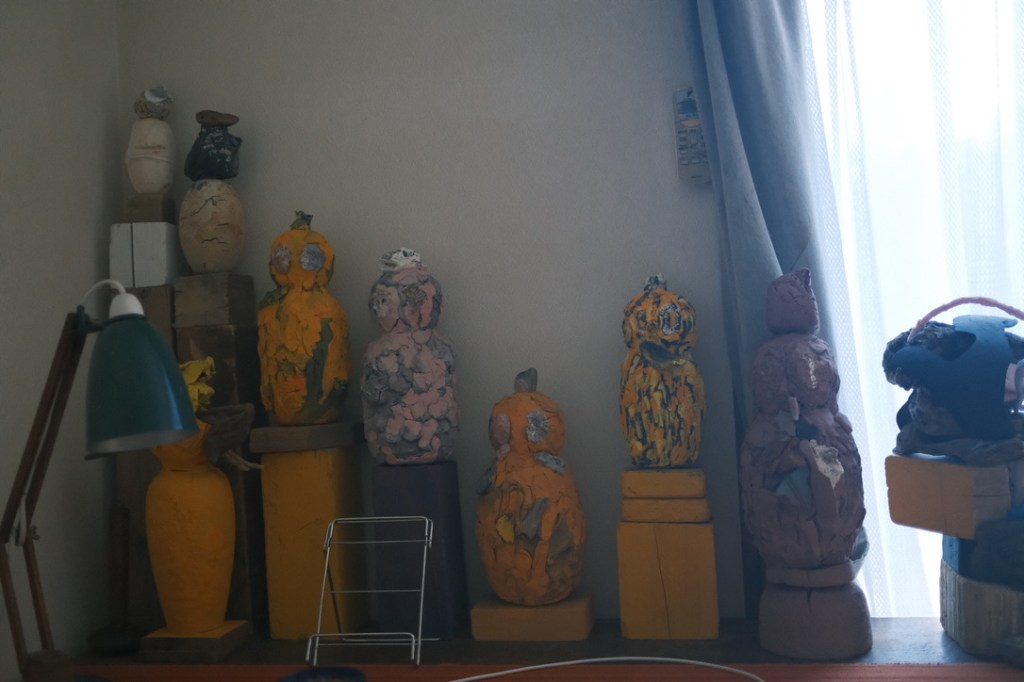
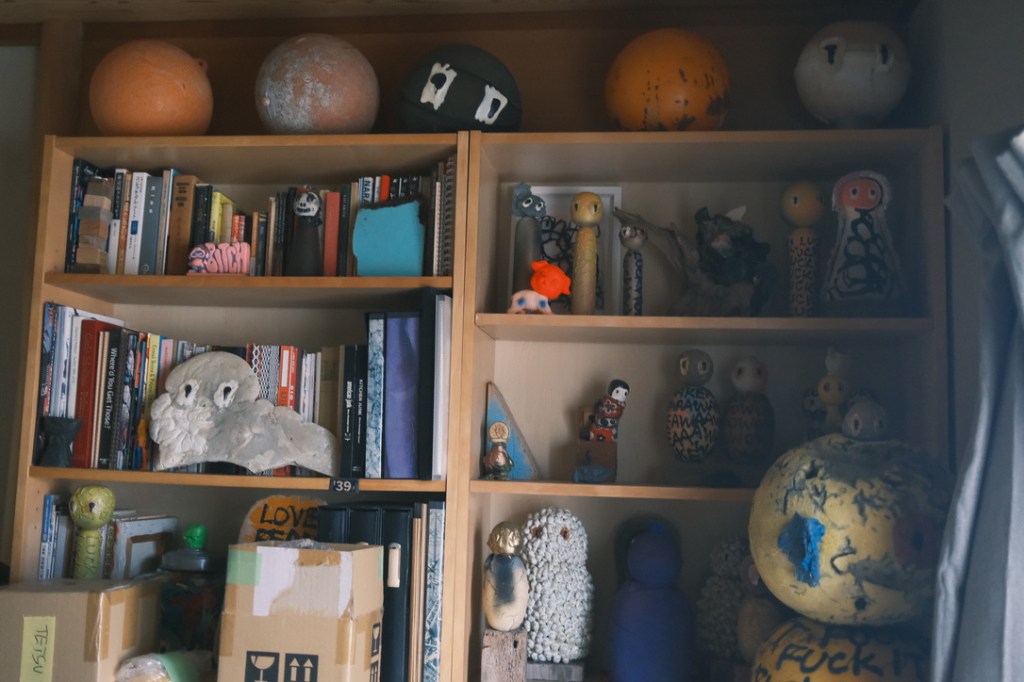
Photo by Sia X. Yang in September 2024
 👀 projects & publications
Leave a comment