This commissioned essay is published in Burlington Contemporary.
The exhibition’s title invokes ‘hooliganism’ (liumang zui 流氓罪), a term that has historically functioned in China as more regulatory than descriptive. Long before it was legally codified, liumang was used as an oblique moral and political label, applied to those deemed socially rootless, economically marginal or behaviourally unruly. Across the twentieth century, and especially after 1949, it became a flexible instrument of governance. Under Maoist campaigns and later during the reform era, hooliganism encompassed a wide range of behaviours, from petty disorder to political dissent and sexual nonconformity. Its abolition in 1997 did not signal its disappearance so much as its transformation into other offences, such as ‘picking quarrels and provoking trouble’ (xunxin zishi 寻衅滋事), a so-called ‘pocket crime’ – the vagueness of which enables continual recalibration of ‘punishable behaviour’. Read with this history in mind, TheHooligans does not simply reclaim a pejorative label, it mobilises a concept that derives its power from its own elasticity. What is at stake, then, is not whether the artists engage with politics, but how such a historically loaded term might be reworked into a curatorial idiom that retains its symbolic potency.
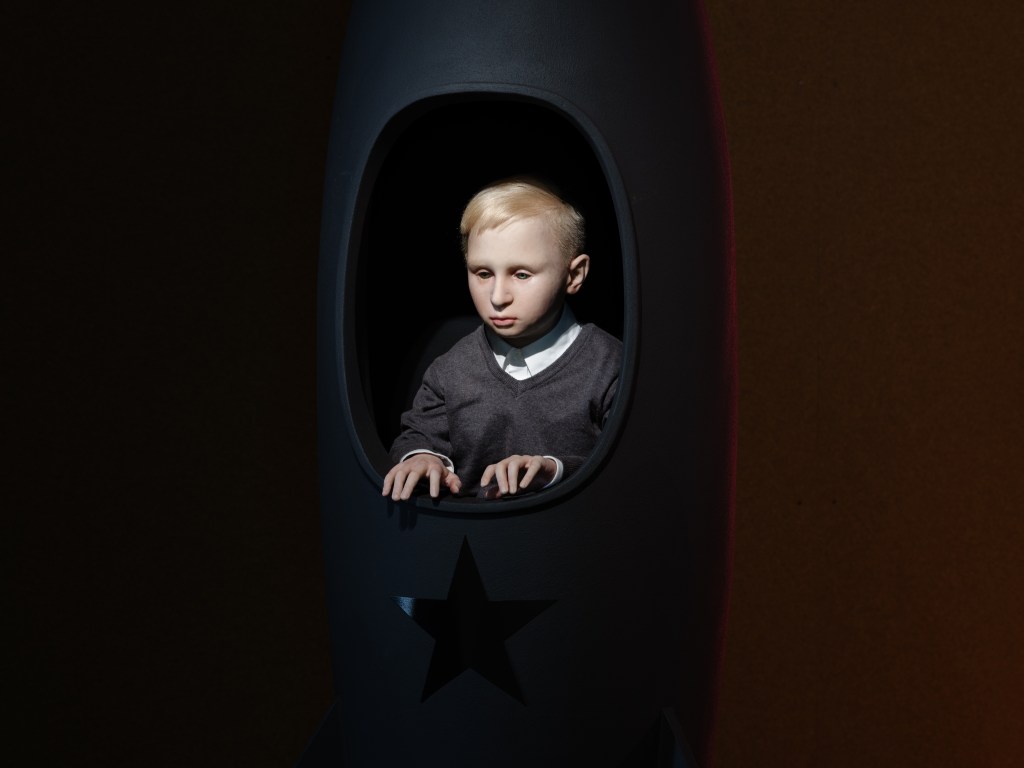
Once Upon a Time, by Li Wei. 2019. Silicone, metal, 3D-printed plastic, paint, clothing and human hair. (Courtesy the artist and the White Rabbit Collection; photograph Hamish McIntosh; exh. White Rabbit Gallery, Sydney).
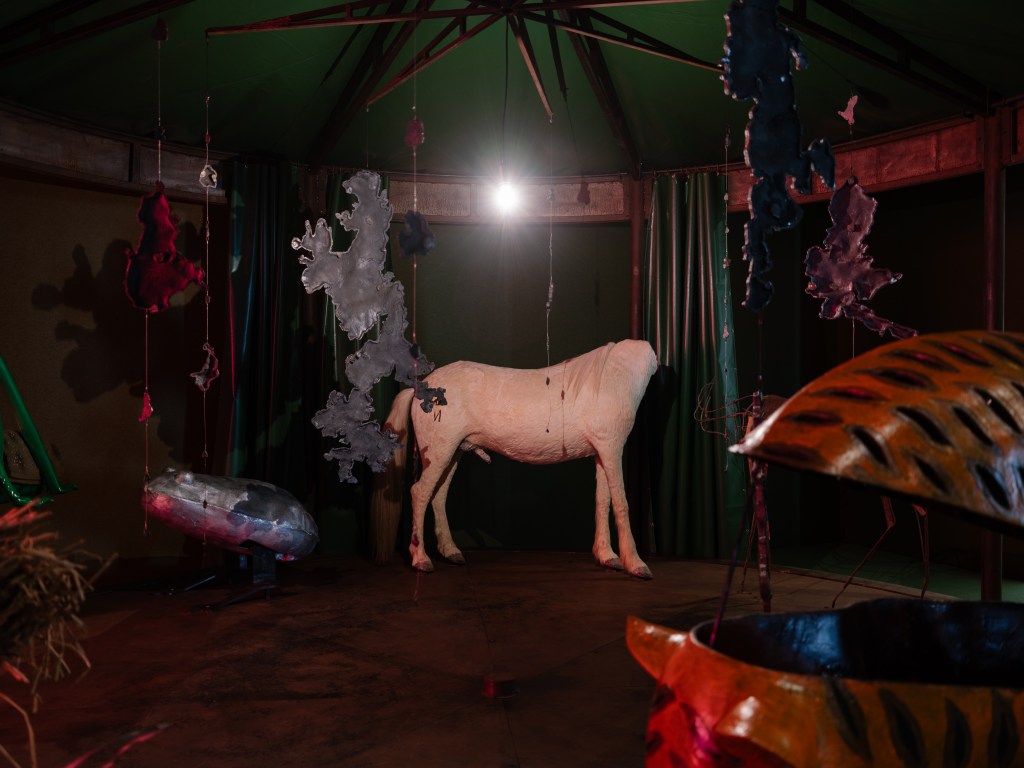
Les Consoles de Jeu Souveraines, by Huang Yongping. 2017. Steel, aluminium, bronze, wood, plastic, fibreglass, paper, straw and taxidermy horse, dimensions variable. (Courtesy the artist and the White Rabbit Collection; photograph Hamish McIntosh; exh. White Rabbit Gallery, Sydney).
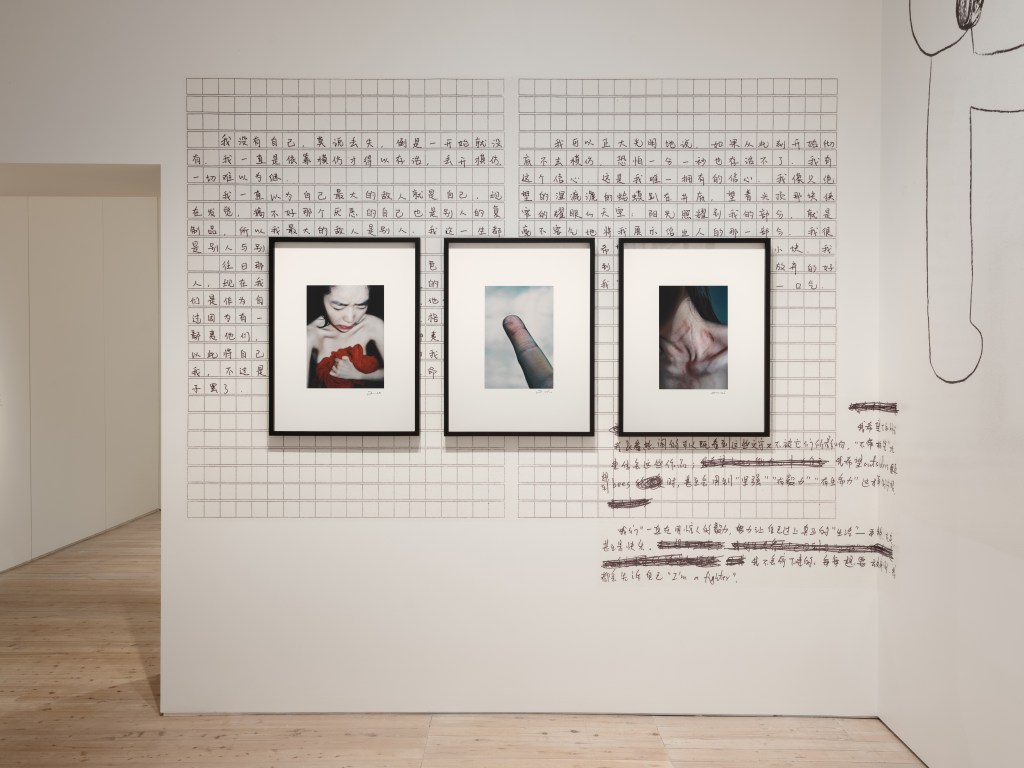
The Bearable, by Chen Zhe. 2007–10. 24 inkjet prints, each 63 by 83 cm. (Courtesy the artist and the White Rabbit Collection; photograph Hamish McIntosh; exh. White Rabbit Gallery, Sydney).
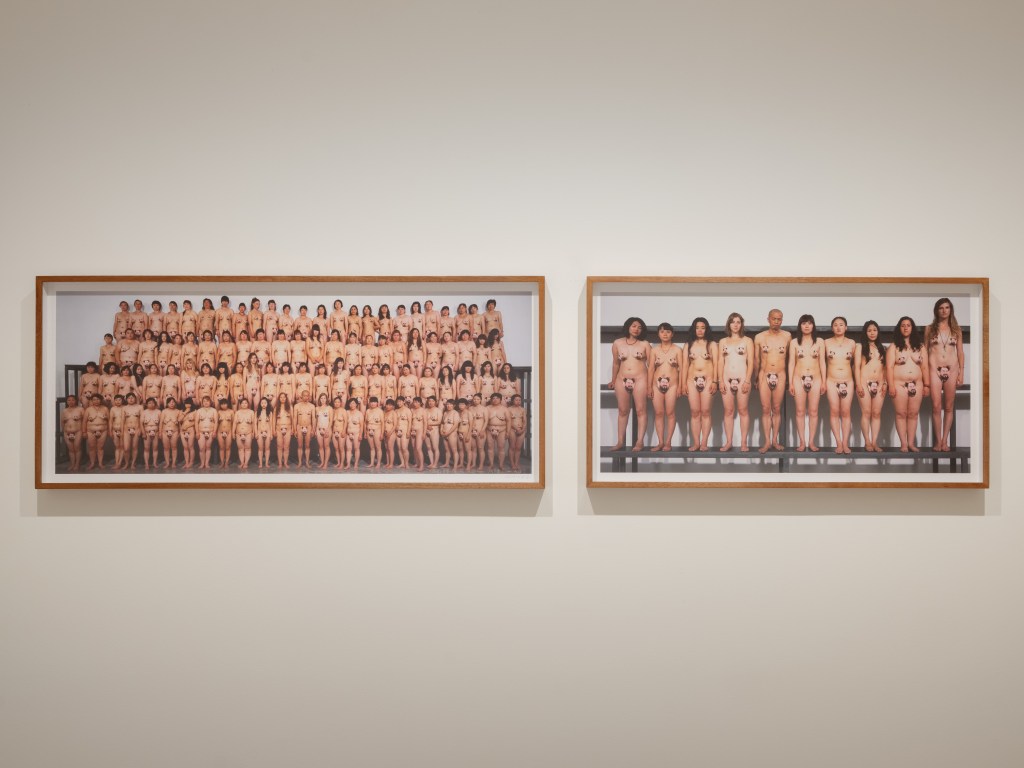
Swimsuits, by He Yunchang. 2011. Performance and inkjet prints, dimensions variable. (Courtesy the artist and the White Rabbit Collection; photograph Hamish McIntosh; exh. White Rabbit Gallery, Sydney).
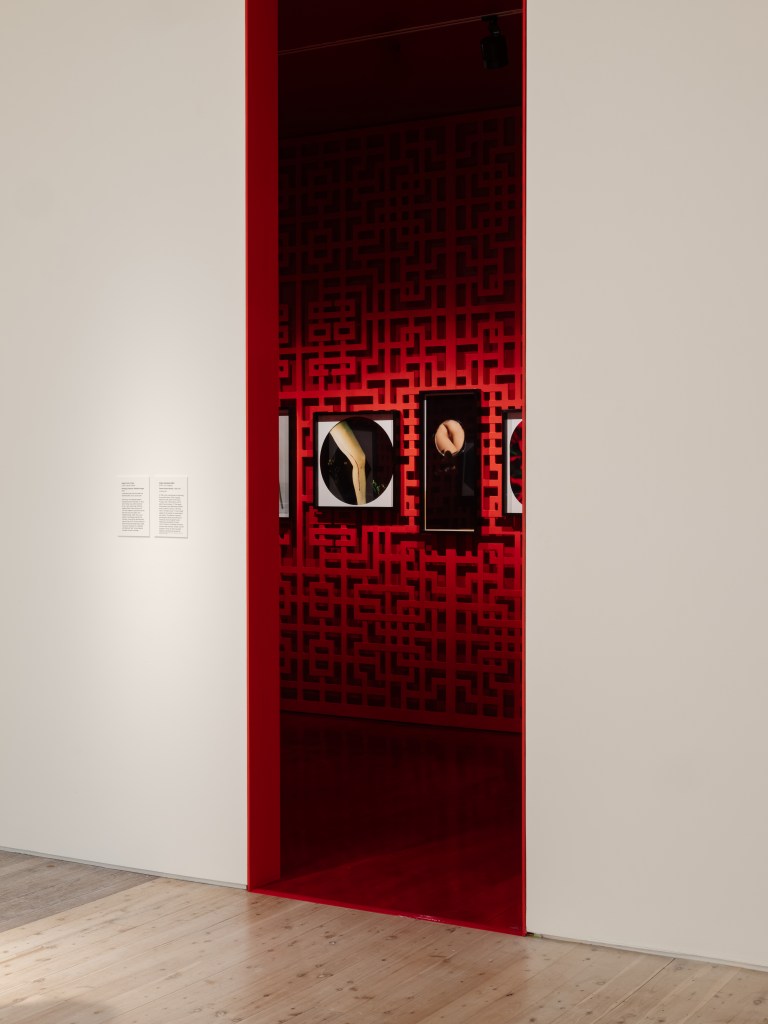
Twelve Flower Months, by Chen Lingyang. 1999–2000. 12 C-type prints, dimensions variable. (Courtesy the artist and the White Rabbit Collection; photograph Hamish McIntosh; exh. White Rabbit Gallery, Sydney).
 👀 projects & publications
Leave a comment